
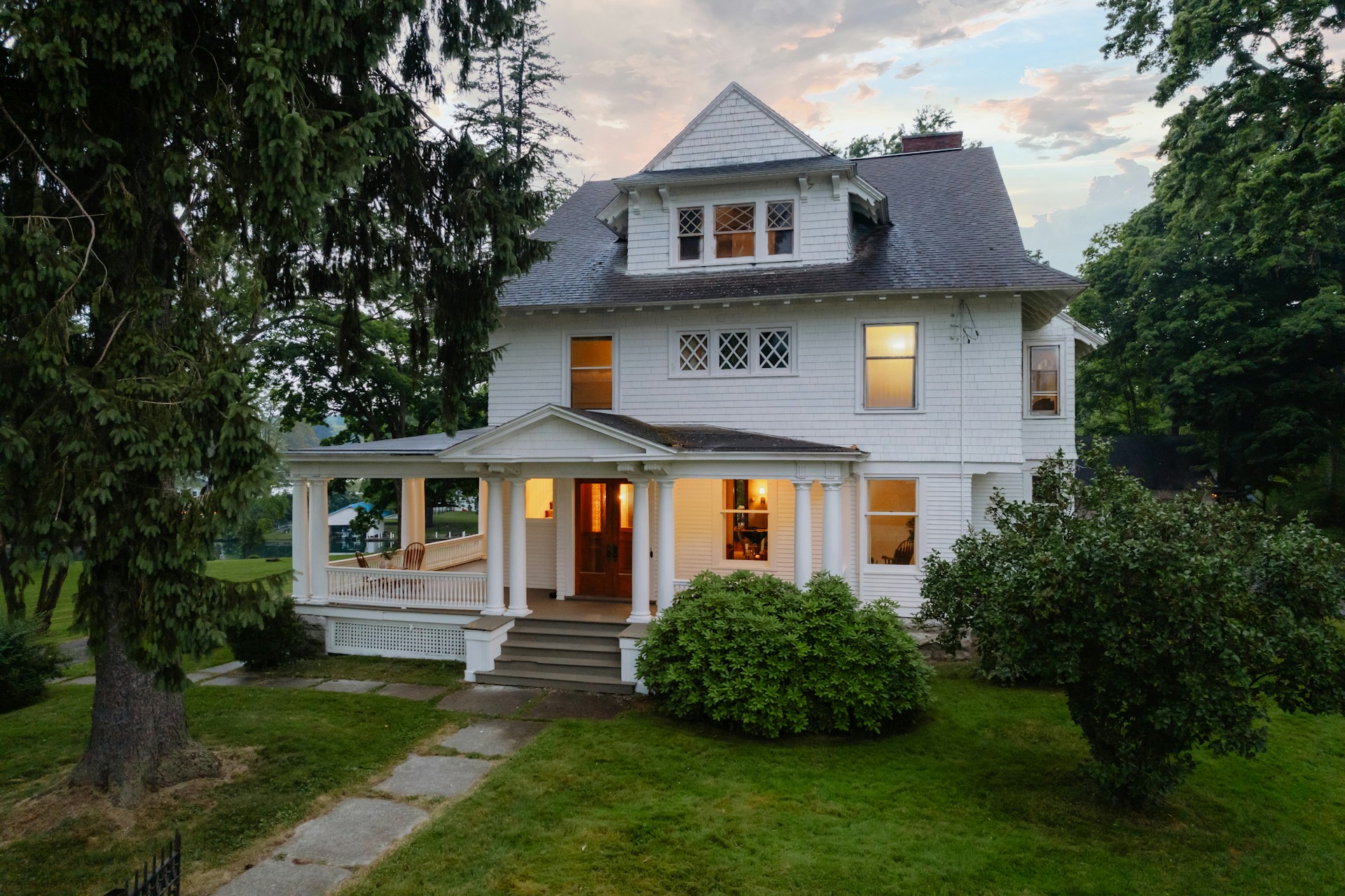
Old homes can be full of charm, but writing about them isn’t always easy. They usually have great character, but that can come with quirks. The key is finding the right balance. Buyers want honesty, but they also want to feel excited about what makes the property worth seeing.
There are lots of small ways to turn a basic home description into something that feels warmer and easier to picture. Using the right tone can help buyers feel connected, even before booking a showing. Some words land better than others, and how we describe a property can affect who sees it and whether it sticks in their mind. The right house description examples go a long way in making a home feel approachable, especially if it’s older and not fully updated.
Highlight the Charm Without Overdoing It
A big part of writing for older homes is letting their personality come through, but without overdoing it. Saying a house has “vintage charm” might sound nice, but it doesn’t tell buyers much. It’s better to talk about the actual pieces that stand out.
Here’s how to keep it simple and clear:
- Mention what hasn’t changed in a good way, like original hardwood floors or decorative wood trim
- Point out special details, such as a built-in hutch in the dining room or wavy glass windows that show a bit of age
- Avoid too many words that don’t explain much, like “timeless” or “quaint”
Instead of writing, “The home is filled with vintage character,” try something more specific, like:
- Wide-plank wood floors that run through the main living areas
- Tall ceilings with original crown molding add depth to the rooms
- Built-in shelving beside the fireplace gives the space a lived-in feel
These kinds of house description examples give buyers real details they can picture. It feels more honest and helps them connect with the home.
Be Upfront About Age in a Positive Way
Old homes aren’t perfect, and buyers know that. Being upfront about it helps build trust. That doesn’t mean pointing out everything that’s dated, but it helps to explain what’s older and how it still works in the home’s flow.
Instead of skipping a feature, we describe it with context. For example, an older kitchen layout can be made more appealing by sharing how it connects to other parts of the home or what types of updates have been done. Same goes for windows or closets that may not be modern but still serve a purpose.
When we write about layout, we focus on structure, not style. A sentence like, “The compact kitchen sits between the dining area and sunroom, with space to add your own touches,” works better than ignoring it completely. Buyers can picture how they’d move through the space.
We also talk about updates clearly, when they exist. Think:
- Updated roof installed in 2023, blending with the original brick exterior
- Retained character in the entryway, with fresh paint and new lighting
That helps buyers feel like the home has been cared for, even if not fully redone.
Help Buyers Imagine Living There
A good listing makes people feel something. That’s especially true for older homes, which often have cozy corners or unique layouts that make everyday routines feel special. We want to help buyers see themselves living in the space.
When writing, we use easy examples of daily moments. Not big selling points, but small things people relate to. For example:
- Morning light spills into the breakfast nook, a quiet spot to start the day
- Shaded back porch overlooks the yard, a nice place for evening chats
- Upstairs hallway connects three bedrooms and has a tucked-away reading spot
These aren’t fancy phrases, they’re friendly ideas that help people picture how the home might feel. That goes a long way in getting someone curious enough to visit.
At this point, using smart house description examples can bring it together. Instead of writing, “Cozy home with charm,” try:
- Main room opens into a sitting area with original wood framing and lots of natural light
- Easy traffic flow between kitchen and living room, perfect for quiet nights or weekend guests
Simple words, clear ideas, and space to imagine the rest.
Keep the Tone Real and Consistent
Tone can be easy to overlook, but it’s one of the most important parts of writing an older home listing. We don’t want anything that feels too polished or salesy. At the same time, we want it to be warm, not too flat or technical.
We’ve found that keeping the tone steady and honest works best from the first line to the last. Skip big, dramatic adjectives, and focus on what you would want to know if you were buying. That makes the writing feel like it’s from a real person, and it keeps the listing from sounding like every other one.
It also helps to double-check for repeated words. If every room is described as “sunny” or “cozy,” that stops meaning much. Instead, try:
- Large front windows face east, catching early light
- Tall shelves built into the back bedroom fit both storage and display
- Small den works as a quiet office or guest room near the entry
These give the same message, just with more variety and a gentler tone. It feels easy to read without feeling like a list of sales features.
Make Your Words Feel Like a Friendly Tour
The best real estate descriptions feel a little like someone walking you through the home. Not a pitch, just show-and-tell. That’s what we aim for with listings like these, making the space feel real and easy to imagine.
Older homes already have a story. Our job is to help buyers step into it. By writing with care and keeping things grounded, buyers are more likely to feel invited, not overwhelmed.
Simple words, natural phrasing, and the right details can bring personality to the page. Through calm, easy descriptions, we can help every home, no matter its age, stand a little taller and feel a little more ready for what comes next.
We make it easier to write stronger listings that help buyers connect with older homes. Small details and the right tone can turn a quiet room into something memorable. For even more ideas, explore our favorite house description examples that help properties stand out for the right reasons. At Writor, we believe every home deserves words that match its story, so reach out if you’re ready to make your next listing come alive.