
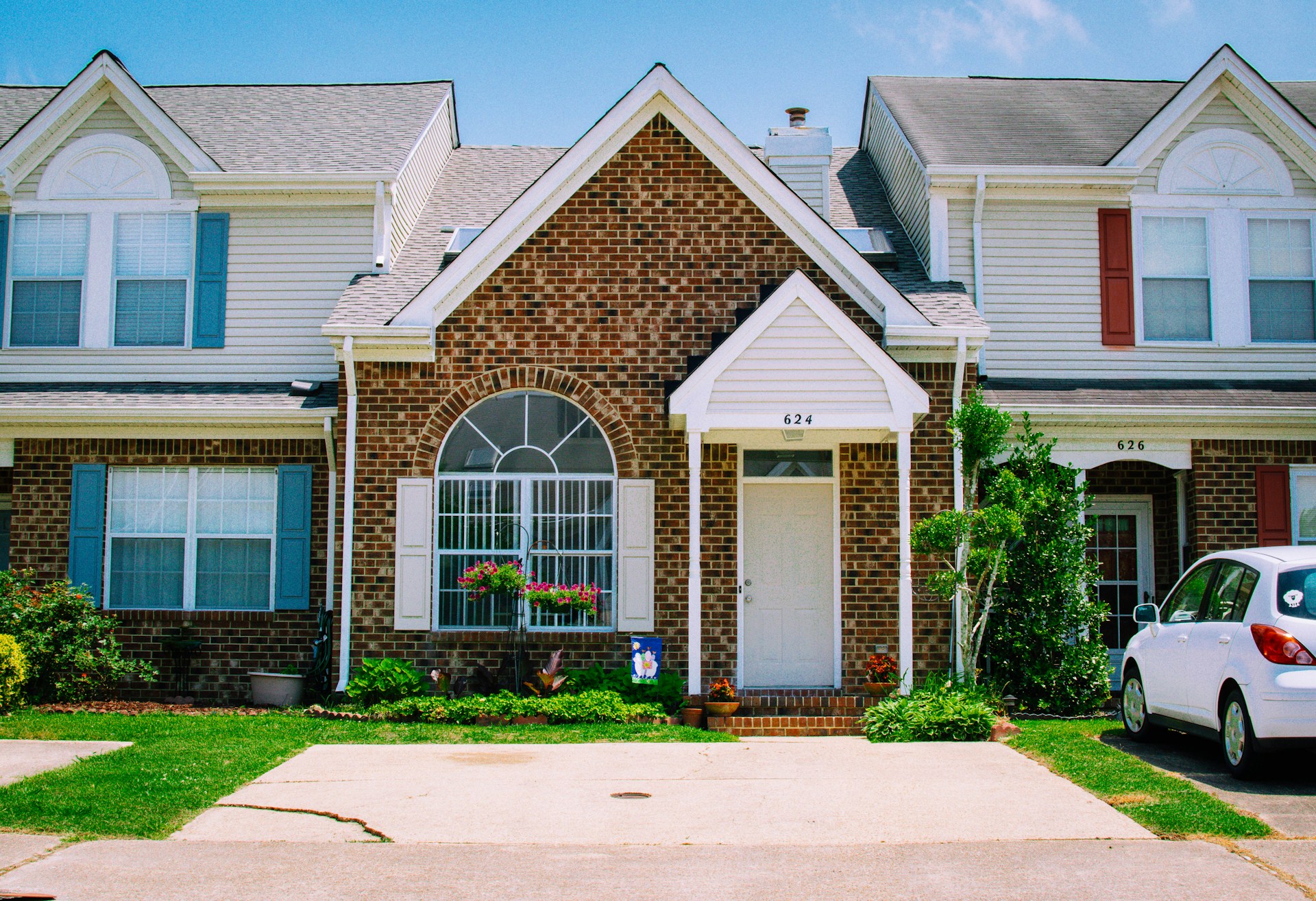
High-ticket listings need more than just a list of features. Buyers shopping for higher-end homes are looking for a certain feeling. They want the listing to show them what it might be like to live there. That means the words need to do more than describe room sizes or the number of bathrooms. A good listing brings the home to life in a way that feels simple, clear, and easy to picture.
At Writor, we have seen how the right house description examples, especially when supported by AI trained on $2.1 billion in property sales data, can help a buyer slow down and really take in the details. A few well-placed lines can turn an ordinary feature into something that feels personal and lived-in. When the story matches the space, buyers stay interested longer and are more likely to take the next step.
Highlight Everyday Moments in Luxurious Spaces
Buyers want homes that feel both special and familiar. Instead of just listing big features, it helps to pair them with everyday moments that feel easy to connect with.
Think about the way someone might spend their time in the home. What spot catches the morning sun? Where might they relax with a book or a drink? These little moments, when included in a listing, can add a layer of emotion that makes the home easier to picture.
Here are a few natural ways to highlight everyday living:
- Describe how a quiet reading corner gets afternoon light near a bright window
- Mention how a long kitchen island offers space for kids to finish homework while dinner’s cooking
- Talk about a covered porch where someone might sip iced tea on a summer evening
When we describe what it feels like to be in the space, buyers begin to see their own routines there. These details do not need to be dramatic. They just need to be real. When taken together, these moments help build a feeling that the buyer belongs in the house. When features and daily enjoyment go hand in hand, buyers connect on a deeper level.
Use Details That Show Quality Without Saying “Luxury”
The word “luxury” does not always help when it comes to writing listings. It has been used so much that it starts to feel vague. Instead, focus on the parts of the home that show quality by how they look, feel, or function.
Think about what someone touches, sees, or notices when they move through the home. Instead of naming brands or style labels, describe what the feature feels like. This makes the listing easier to picture and a lot more believable.
Try things like:
- Smooth quartz counters that stay cool to the touch, even on hot days
- Soft-close drawers throughout the kitchen keep mornings quick and quiet
- A shaded back patio with stone flooring that stays cool underfoot
Words like smooth, soft, wide, cool, or bright can give off more feeling than the word luxury ever could. They help buyers connect to something real, using their own senses to fill in the picture. The home comes alive when you highlight what it’s like to live there, rather than just stating buzzwords.
Layout and Flow Matter More Than Square Footage
How a home is shaped and how its rooms connect makes a big difference. Buyers want to know if the space works for the way they live. Instead of focusing on how big something is, try showing how it fits together.
A listing that helps someone walk through the house in their mind usually makes a stronger impression. That takes just a few smart phrases about what comes next and how it feels to move through the space.
You can describe that flow by pointing out links between areas:
- From the kitchen, step right into the dining area with two wide windows and space to gather
- The primary suite sits quietly at the back of the home, far from guest rooms and traffic noise
- French doors open from the living room into a shaded outdoor lounge with room for a grill and full seating set
These phrases help buyers understand how they will move from one room to another. It is not just about size. It is about how people live in the space each day. By describing the movement from room to room, you help buyers picture themselves enjoying the home with ease. That experience makes the listing stand out from the rest.
Seasonal Touches That Match Summer Buyers
Since this article is built for a June publish date, many buyers are already thinking about summer plans and timing their move. Listings that reflect the season make it easier for people to picture stepping into that home now.
Summer calls for comfort, airflow, and outdoor space. Think lounging under ceiling fans, opening screen doors in the morning, or hosting friends in the backyard.
Some helpful ideas for adding seasonal context:
- Talk about large windows that bring in a summer breeze
- Highlight outdoor areas like patios, decks, pools, or shaded corners of the yard
- Mention how the home stays cooler with tree coverage, window shades, or ceiling fans
Buyers want to see how the home fits their life not just later, but right now. Small seasonal moments, shared in a clear and natural way, help listings feel timely and grounded. Don’t forget to speak to the feeling of cooled air, fresh sunlight, and comfortable outdoor spaces. When you match the story to the season, buyers can immediately see themselves living there as soon as they move in.
Descriptions That Make the Home Easy to Picture
Some of the most convincing listings do not use complicated words. They just describe real parts of the home clearly, with feeling, and in a way that sounds natural. That is where strong house description examples really shine.
We have seen that when a listing talks about how a space works at 7 a.m. on a Tuesday or 6 p.m. on a Sunday, people slow down and read differently. It stays in their heads longer.
Good examples might include:
- A hallway desk nook makes an easy work-from-home spot without taking over a bedroom
- The mudroom has built-in shelving to keep swim towels and flip-flops organized all summer
- Morning light fills the vaulted breakfast area, perfect for slow weekends
These are not big claims. They are small, believable slices of daily life. They help buyers take a mental step into the home. That kind of clarity works. Used in the right place, these images fill in the coloring of a room, making it easier for buyers to put themselves into the picture. Take care to connect simple moments to the unique features of the home, rather than just listing rooms or finishes.
Make Every Word Work for You
Writing a great listing for a high-ticket home does not mean adding more words. It means choosing words that count. Each line should help buyers picture themselves in the space more clearly and make them want to know more.
Instead of filler, we focus on descriptions that reflect how the home really lives:
- Say what a room feels like, not just how big it is
- Include subtle visuals that help readers picture standing there
- Guide the reader from one space to the next without losing interest
Photos help, but it is the description that adds warmth, story, and pacing. When the words feel clear and calm, the home often comes across as easier to live in. That is what a buyer wants to feel. When a listing reads like a place someone already knows, they are more likely to pick up the phone or schedule the tour. Tools like Writor, which can turn a few property notes into listing-ready copy in under 60 seconds for more than 1,000 agents and brokers, make it easier to keep that level of quality across every high-end home you list.
At Writor, we know property listings should feel personal and easy to picture. Our expert team turns simple features into memorable narratives that reflect daily routines while showing the true character of every home. Strong writing starts with clarity and ends with connection, and our guidance can help you create listings that connect faster and go further. For more ideas on writing that stands out, take a look at these house description examples.