
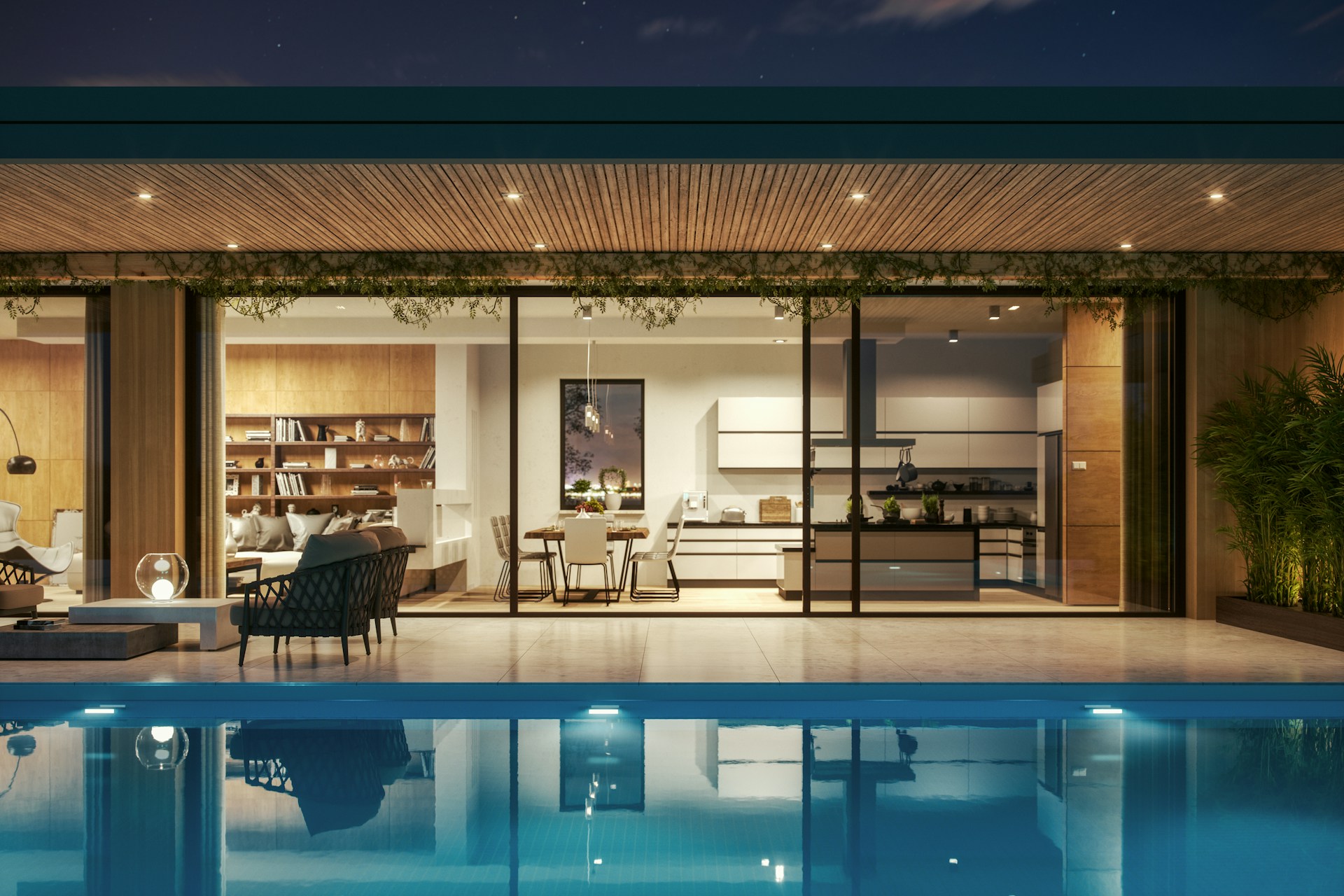
Spring break is one of the busiest times for vacation rentals. Families, college students, and friend groups are all looking for a place where they can relax, eat together, and enjoy the warmer weather. If we’re managing a property near the beach or in a sunny destination, how we describe that space matters, especially in early April when people are booking those final spots.
Good listings don’t just say what a house has. They help someone picture what it’s like to stay there. Using clear wording and house description examples that stay simple and grounded, we can make each property feel like the right fit before they even see it in person. Whether you’ve been listing your property for years or are just starting out for the season, sharpening these details in your rental description sets you apart.
Highlight What Makes the Home Fun for Groups
Spring break usually brings people together. Whether it’s families with kids or groups of friends, they want space to hang out and make memories. That means we want to make the most of the features that work well for group stays.
Here are a few ways to bring those details into the listing:
- Call out large living rooms, open kitchens, and spots where people can gather. A line like “open-concept kitchen and living area flows into the patio” shows how the space connects.
- Mention the sleeping setup clearly. Say “sleeps eight with two queen beds, a bunk room, and a pullout couch” instead of just saying “3 bedrooms.”
- If there’s a big table or outdoor grill, talk about it in a simple way, like “dining table seats six comfortably, plus extra space outside by the BBQ.”
These small notes help readers understand how the rental will work for their group. It saves them time and helps the listing feel more useful and easier to trust. When groups are deciding between options, they need to imagine themselves gathering for meals, playing games, and unwinding together in common spaces. The more you can highlight comfortable gathering spots, the more readers can relate to your property.
Use Seasonal Language That Fits Spring Break
Spring break travelers are hoping for good weather and outdoor fun. So it makes sense to describe the rental with this in mind. We don’t want to sound perfect or overdone, we just want to give them the right feeling.
For properties with warm-weather appeal, we can say:
- “Private pool steps from the back door”
- “Patio includes lounge chairs and a shaded table”
- “Guests have easy access to beach gear like umbrellas and towels”
If the home’s near a beach or bike trail, we don’t have to say much. A simple line like “five-minute drive to the beach” or “bikes included for nearby shops” adds a lot of value. Too much hype can feel fake. Just keeping the tone relaxed and friendly usually works better. Light seasonal language paired with clear features creates the right spring break vibe. You can even mention the bright spring mornings or cool evenings perfect for gathering outside, helping guests imagine how they might enjoy the property during their stay.
Focus on Easy Travel Details
People traveling for spring break don’t want surprises. They want to know they’ll have what they need and be close to whatever they’re planning to do.
That can include:
- Clear parking info, like “driveway fits two cars and street parking available”
- Washer and dryer notes, especially for beach towns
- Quick references to nearby spots, like “half a mile to Main Street shops and food trucks”
Simple directions help too. It’s better to say “three miles to the boardwalk” than “close to entertainment.” Most readers are scanning fast, so the more we can break up the copy with quick, useful lines, the easier it is for them to imagine being there. If your area is popular for festivals, shopping, or outdoor activities, note the driving or walking distance clearly. Practical details help your listing stand out and make it easy for travelers to plan their trip.
On top of those essentials, it’s helpful to touch on entry processes, like keyless check-in, or mention supplies provided (like pool towels or starter packs of soap). While not every detail fits in the main summary, calling out two or three everyday conveniences removes doubt for guests comparing options.
Show, Don’t Sell
It’s tempting to spice up a listing with words like “perfect” or “top-rated,” but it can come off as too much. Instead, we let the property speak for itself by using plain descriptions with real details.
These house description examples usually land better:
- “Sleeps six with two bedrooms and a sleeper sofa in the main room”
- “Kids’ room includes bunk beds and a drawer full of board games”
- “Kitchen includes full-size fridge, stove, and a coffee maker with filters provided”
These short, factual lines give readers enough to picture the space without making big claims. When we write it this way, it builds trust and helps travelers decide faster. Adding just a little bit about the style or mood of the space helps too, “natural light fills the breakfast nook” or “cozy fireplace for cool spring evenings” makes the setting more real, without crossing into salesy language.
Make It Feel Like a Vacation
Now and then, it helps to add something that brings a little comfort or imagination. Just one or two lines can go a long way.
Try writing something like:
- “Start your day with coffee on the screened-in porch”
- “End the night with streaming movies on the big sectional couch after a day at the beach”
We want people to feel like they’re already there, without promising they’ll love it or have the time of their life. Staying grounded keeps the copy real but still gives it a warm touch. Shared details like a backyard fire pit for casual evening chats or a hammock under the trees can give guests a gentle sense that your place is the right fit for their downtime.
You might include info about a small local tradition, like “walk to the Friday night festival,” or describe a simple pleasure, such as “read in the sunroom with the ceiling fan going.” These touches make the difference when travelers are imagining their spring break away from home.
Keep It Simple, Let the Space Shine
When we take time to write clearly, it pays off. People want to find a spot that fits their spring break without having to guess what “charming” or “must-see” really means. By using clean, honest language and trusted house description examples, we’re helping them get there faster.
It doesn’t take fancy phrases or heavy details. Just writing what matters most in a natural way makes any rental stand out against the crowd. Use true and practical details, like “pet-friendly with fenced backyard” or “board games and puzzles included,” to add character without overselling. The goal is to help guests picture their stay while keeping things calm and down to earth. That’s what really works. When travelers see themselves in your space, they’re more likely to book and share a good experience with others.
Looking for ways to write clearer, more engaging vacation listings this spring? We are here to help. Using simple descriptions, group-friendly features, and weather-aware phrases can make any rental feel more inviting. Browse through different house description examples to see what works and spark ideas for your own listings. We at Writor make it easier to bring properties to life with words that connect. Reach out to us to get started.